When you rent out a property, there’s a lot to manage; paperwork, tenancy agreements, and keeping the place in good condition for your tenant. Even with careful management, there’s always the chance that tenants might not care for the property as expected. You hand over your property in top shape and expect it to be returned the same way. But what happens if, during a later inspection of your property, you find damage beyond normal wear and tear?
Tenant damage can be one of the most frustrating challenges for landlords. It’s not just about fixing the property; it can also create financial pressure, delay new tenancies, and leave you unsure of what to do next. Many landlords ask the same question: What can I do if a tenant damages my property?
The good news is that acting quickly and following the right steps can make a big difference. In this guide, we’ll explain everything you need to know, from spotting what counts as damage to recovering costs through the deposit, insurance, or even legal action.
What Counts as Tenant Damage vs Wear and Tear?
Property damage is any harm that reduces the condition, value, or usability of your property. In a rental context, it usually results from tenant actions, whether through misuse, neglect, or deliberate behaviour. Property damage can happen in two ways: tenant damage and normal wear and tear. Knowing the difference is important because confusing them often causes disputes between landlords and tenants.
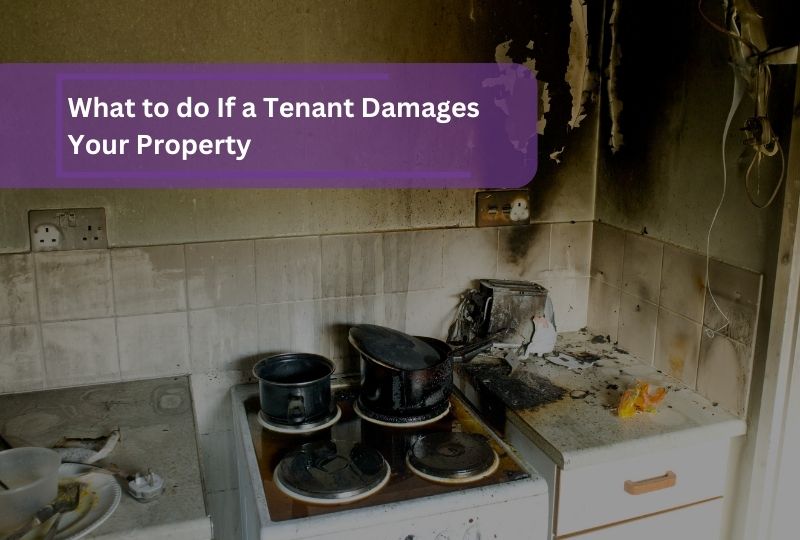
Tenant damage refers to harm caused by the tenant, either through deliberate actions or negligence. It covers any avoidable damage to your property, such as holes in walls, broken doors or fixtures, carpets stained or burned beyond reasonable cleaning, smashed windows, or flooding due to an open tap, or damage from an undisclosed pet. Tenants are responsible for the damage done to your property, and as a landlord, you have the right to claim the costs.
Fair wear and tear, on the other hand, is the gradual deterioration of a property through daily use. Everyday wear, such as small wall scuffs, lightly worn carpet, faded curtains, or tiny marks from regular use, is your responsibility as a landlord. Tenants are not responsible for this, and you cannot claim it from their deposit.
What to Do Immediately If a Tenant Damages Your Property
When a tenant damages your property, your response must be structured and evidence-based. Acting quickly helps you protect your financial position and strengthens your ability to recover costs.
The first step is to stay calm and avoid informal or verbal handling of the issue. A professional approach ensures clear communication and reduces the risk of disputes escalating. Every action you take should create a record that supports your position.
Here’s what to do to protect yourself and make it easier to recover costs.
Step 1: Document the Property Damage
Evidence is everything. Before you contact the tenant, speak to your insurer, or arrange a single repair, you must document every item of damage thoroughly. This documentation becomes the backbone of every claim you make.
- Photos and videos: Take clear, time-stamped photos and record a full walkthrough video of your property. Photo evidence captures the exact condition of the property and prevents disagreements about the extent of the damage.
- Move-in inspection report comparison: Compare the current condition of your property with the original move-in inspection report or inventory. A signed report with photos helps confirm that the damage happened during the tenancy and was not already there.
- Repair estimates: Get at least two repair quotes from qualified contractors. Professional estimates provide a realistic cost for repairs, and help show that the amount you claim is fair and based on market rates.
- Witness statements: Ask any agents, inventory clerks, or contractors present during the inspection to provide written statements if needed. Independent confirmation can help if the tenant disagrees about the damage.
- Maintenance records: Keep copies of previous maintenance and repair records for the property. These records help show that the property was properly maintained before the damage occurred.
Step 2: Review the Lease Agreement
Your tenancy agreement is your legal framework, and the first document you reach for after documenting the damage. It tells you exactly what the tenant was obligated to do, what they agreed to when they signed, and what grounds you have to recover costs.
- Damage clauses: Check the damage clauses in the agreement. These clauses usually require the tenant to keep the property in good condition and avoid causing damage during the tenancy.
- Repair responsibilities: Review the repair responsibilities listed in the agreement. A clear breakdown of who is responsible for certain repairs helps prevent confusion about who should pay for the damage.
- Security deposit terms: Confirm the security deposit terms, including the amount held and the situations where deductions are allowed. These terms guide you when using the deposit to cover repair costs.
- Maintenance obligations: Look at the maintenance obligations in the agreement. Many tenancy agreements require tenants to report problems early. If a tenant ignores an issue like a leak that later causes serious damage, it can strengthen your claim.
- Notice requirements: Check the notice requirements for reporting damage or maintenance issues. Following the agreed process helps avoid disputes about when and how the problem was reported.
A well-drafted tenancy agreement strengthens your position. The clearer the terms, the harder it is for a tenant to dispute responsibility.
Step 3: Use the Security Deposit
The security deposit is usually the first and fastest route to recovering repair costs. In Scotland, all deposits taken under a Private Residential Tenancy (PRT), the tenancy type introduced by the Private Housing (Tenancies) (Scotland) Act 2016.
- Legal limitations: Make sure the deposit was lodged in an approved scheme within 30 working days. Failing to protect the deposit within this timeframe can lead to penalties and may limit your ability to claim deductions.
- Deduction rules: Check the rules for deposit deductions. You can withhold part or all of the deposit if the tenant causes damage that goes beyond normal wear and tear.
- Required documentation: Prepare the documents needed to support your claim. A signed inventory, dated photos, repair quotes, and written communication help show that the damage occurred during the tenancy.
- State-specific timelines: Follow the required process when the tenancy ends. You must inform the tenant about any deductions and provide evidence. The tenant will then have a set period to accept or dispute the claim through the deposit scheme.
- Partial vs full deduction: Decide whether a partial or full deduction is appropriate. The amount you claim should reflect the actual repair costs and the level of damage.
You can request payment directly from the tenant if the damage costs more than the deposit.
Step 4: File an Insurance Claim
If the cost of the damage exceeds the deposit or the tenant refuses to pay, your landlord insurance is potentially your next line of recovery. However, do not assume your policy automatically covers tenant damage.
- Landlord insurance policy: Check your landlord insurance policy to understand what it covers. Most standard policies cover the building itself, while contents cover is usually optional. Damage caused by tenants is not always included, especially if it is accidental or intentional, so you may need to add extra protection for this.
- Coverage limitations: Check the policy limitations related to tenant damage. Some insurers exclude it unless you have added specific cover, so understanding this early can prevent problems when making a claim.
- Deductibles: Look at the policy excess you must pay before the insurer covers the remaining costs. Knowing the excess helps you understand how much of the repair cost you will need to cover yourself.
- Exclusions: Read through the policy exclusions carefully. These explain situations where the insurer will not pay for the damage, which helps avoid unexpected claim rejections.
- Filing process: Contact your insurer and start the claim process as soon as possible. Provide clear documentation such as photos of the damage, repair quotes, inventory reports, and a written explanation of what happened. Accurate and complete information helps the insurer review your claim without delays.
Insurance plays a key role in protecting your property. When used correctly, it connects directly to damage recovery and your financial liability.
Step 5: Take Legal Action
When every earlier step has failed to recover your costs, legal action is a legitimate and often effective final route. It is not a step to take lightly, but for serious damage, you have clear procedural options available to you.
- Small claims court: Use the Simple Procedure through the Sheriff Court for claims up to £5,000 in Scotland. This process allows you to present evidence such as inventory reports, photos, repair quotes, and communication records to support their claim.
- Civil lawsuit: Consider raising an Ordinary Cause action for claims above £5,000. Larger claims usually involve more formal court procedures, so working with a solicitor is strongly recommended.
- Eviction (if lease violation): Apply for eviction through the Housing and Property Chamber if the tenancy is still active and the tenant has caused serious damage that breaches the tenancy agreement. This process requires proper notice and evidence to support the legal grounds for eviction.
- Collection agencies: Work with a debt collection agency if the tenant still refuses to pay after the court has ruled in your favour. Collection agencies can help recover the money that the court has awarded
- Court judgment enforcement: Enforce the court judgment if payment is not made. In Scotland, this may involve steps such as earnings arrestment or bank arrestment to recover the outstanding amount
However, not all cases follow a standard process. When the damage is more serious or clearly intentional, your response needs to escalate further.
How to Recover Costs from a Tenant for Damage?
If the cost of repairs exceeds the tenant’s deposit, or you prefer to handle the matter directly without other bodies, you can request payment from the tenant. You can begin by sending a formal written demand, by email or recorded post, that clearly outlines the damage, includes all supporting evidence, and provides contractor quotes along with the total amount you are claiming.
For larger sums, consider offering a structured repayment plan. Confirm every detail in writing and keep a record of all payments received. Set a clear deadline for the tenant to respond, typically around 14 days, and explain the steps you will take if the payment is not made.
Throughout the process, maintain professional, factual, and well-documented communication. Avoid confrontational or threatening language, as this can weaken your legal position if the matter escalates to a dispute or court. Staying calm and evidence-led strengthens your chances of recovering costs effectively.
What If the Damage Is Serious or Intentional?
Serious or intentional damage requires a faster and more structured response than standard accidental damage. When the damage is serious and clearly intentional, you need to take stronger action, gather clear evidence, and consider the right legal steps.
Intentional damage refers to deliberate damage done to your property, such as smashed furniture, broken appliances or doors, or vandalism. This is different from damage caused due to negligence, although both are known as tenant damage; one is due to carelessness, and the other is intentional, which is why it makes it worse.
When damage is severe, do not wait until the tenancy ends. If you discover serious damage during an active tenancy, document it immediately and take legal advice on whether grounds exist to apply to the First-tier Tribunal for Scotland (Housing and Property Chamber) for an eviction order.
Can a Landlord Evict a Tenant for Property Damage?
You can evict a tenant for causing damage, but only if you follow the correct legal process and have strong evidence.
In Scotland, eviction cases go through the First-tier Tribunal for Scotland (Housing and Property Chamber), not the courts. Under the Private Housing (Tenancies) (Scotland) Act 2016, you can rely on specific grounds where the property or its furnishings have deteriorated due to the tenant’s actions or neglect. You must serve a Notice to Leave stating the grounds and notice period.
Scotland does not allow no-fault evictions, so every case must be justified. Even then, the Tribunal can refuse eviction if it considers it unreasonable. So, you must follow the steps explained above.
Eviction should be a last option, only when the damage is serious or the tenant is uncooperative. Always seek legal advice before serving notice, as mistakes can invalidate the process.
Should You Repair the Damage Immediately?
You should address property damage as soon as possible, even if the deposit does not fully cover the cost or the tenant has not agreed to pay yet. This becomes especially important when the damage is serious, affects safety, or could delay incoming tenants. Leaving issues unresolved can lead to further deterioration over time and reduce the overall appeal of your property.
As a landlord, you are responsible for keeping the property safe and compliant. Problems such as broken glass or exposed wiring need prompt attention to avoid safety risks. In more urgent situations, such as gas leaks, significant water damage, or damaged external locks, repairs should ideally be completed within 24 hours to prevent harm and ensure the property remains secure.
Get qualified professionals to do all the repair works and keep records of the invoices and receipts. This helps protect you if any disputes arise and shows that you’ve properly cared for the property.
How to Prevent Tenant Damage in the Future
Dealing with damage after it happens is costly and stressful. The smartest position a landlord can be in is one where solid preparation significantly reduces the risk of it occurring at all. To ensure that you do not face a similar situation when a tenant damages your property, you should follow the steps mentioned below:
- Tenant screening: Start with thorough checks, including credit, employment, and references from previous landlords to screen the tenants. Skipping this step to fill a vacancy quickly often leads to costly problems.
- Inventory reports: Use a professionally prepared, signed inventory at the start of the tenancy, ideally by an independent clerk. Include dated, high-resolution photos of every room and fixture; this can make all the difference in a deposit dispute.
- Regular inspections: Check the property every three to six months, giving at least 24 hours’ notice. This helps you spot small problems early, and you can encourage tenants to look after the property.
- Strong and clear tenancy agreements: Use a solicitor-drafted or NRLA-approved agreement that clearly defines the tenant’s obligations, maintenance reporting requirements, and financial responsibility for damage. A vague agreement weakens your position.
- Stay in contact: Maintain professional, open communication throughout the tenancy. Tenants who feel their landlord is approachable are more likely to report issues early and treat the property with care.
Conclusion
When a tenant damages your property, it puts you in a difficult position. You face unexpected repair costs, potential loss of rental income, and the stress of navigating legal and procedural steps. When you handle poorly, it can quickly escalate into disputes, delayed recoveries, or even financial loss.
To ensure you don’t face any problems, you should follow a structured, evidence-led approach. When you document properly, follow the correct legal process, and act early, you put yourself in a strong position to recover costs and minimise disruption. Each step you take, from evidence collection to deposit claims or legal action, builds towards protecting your investment and maintaining control of the situation.
However, managing this process alone can be time-consuming and complex, especially when dealing with legal requirements, tenant disputes, and compliance rules. This is where Westport Property can support you. With expert property management, clear tenancy agreements, professional inventories, and structured processes, we can help you prevent issues before they arise and handle them efficiently when they do. From tenant screening to dispute resolution, you have a system in place that protects both your property and your financial position.
Have A Question or Need Some Help?
Whether you're searching for the perfect rental property or a landlord wanting advice on letting, we're here to assist. Feel free to call our office or send us an email, and we'll be happy to help you with any queries you may have.
Frequently Asked Questions
Can the landlord sue the tenant for damages?
Yes, a landlord can take legal action against a tenant to recover the cost of property damage. This usually happens when the repair costs exceed the tenant’s deposit or when the tenant refuses to pay. In Scotland, landlords can file a claim through the Sheriff Court using the Simple Procedure for claims up to £5,000, or an Ordinary Cause for higher amounts. To succeed, you must provide strong evidence such as inventory reports, photographs, repair quotes, and communication records.
Who pays for damage in a rental property?
Responsibility depends on the type of damage. The tenant pays for any damage caused by misuse, negligence, or deliberate actions. This includes issues like broken fixtures, stained carpets, or damage caused by failing to report a problem. The landlord is responsible for fair wear and tear, which covers natural deterioration over time, such as faded paint or worn flooring. The key is identifying whether the damage is avoidable or part of normal use.
Can a landlord enter the damaged property without any proper notice?
No, it doesn’t matter how serious the damage is; do not enter the property without proper notice or take any retaliatory action. Even in cases of severe damage, acting outside the legal process undermines your position and hands the tenant a potential counter-argument. Follow the correct steps and seek professional advice if the situation is serious.
 Find a Property Sale/Rent
  Property Management
  Tenant Background Screening
  Asset Management